Tango Revolution
3 conversations
Each conversation has a summary and chapters in Spanish and English; the full text shows once the channel agrees.
Graciela González · 2 min · 0 chapters
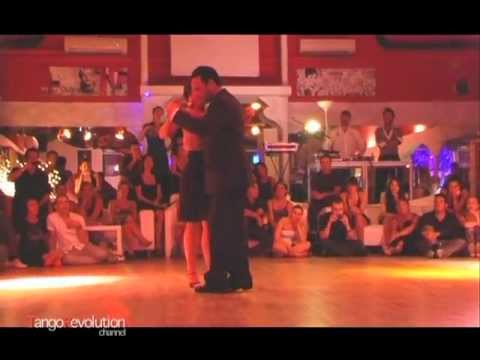
Graciela González speaks in an interview filmed at the Roma Tango Festival, intercut with dance excerpts, about how she teaches the giro, the pause and the walk. She explains that the giro has no fixed stop but changes of direction, that tango shows the light and shadow in whoever dances it, and that her current goal is to help people recover the memory of walking without effort.
Carlos Pérez · 3 min · 0 chapters
Carlos Pérez, filmed in Italy during a tango world championship, talks about how he teaches: he says 70-80% of tango is walking, with the embrace, the posture and clean footwork coming before any figure. He explains the pause as his favorite figure in tango, not a rigid stance but a body that keeps dancing even while stopped, and describes the embrace as something the man proposes but that the woman ultimately holds with her own pressure, without him squeezing. He closes by contrasting his own era, when you won a girl over with delicacy and good manners, with an earlier, rougher one he never lived through.
Fabián Peralta · 3 min · 0 chapters
In an interview for Tango Revolution, Fabián Peralta describes his way of dancing Villa Urquiza-style tango salón: long, unhurried, flowing steps that treat movement as an instrument for interpreting the music rather than an end in itself. He explains why the pause is, for him, the single most important thing tango has, comparing the dance to drawing without ever lifting the pencil from the page, always following the music.